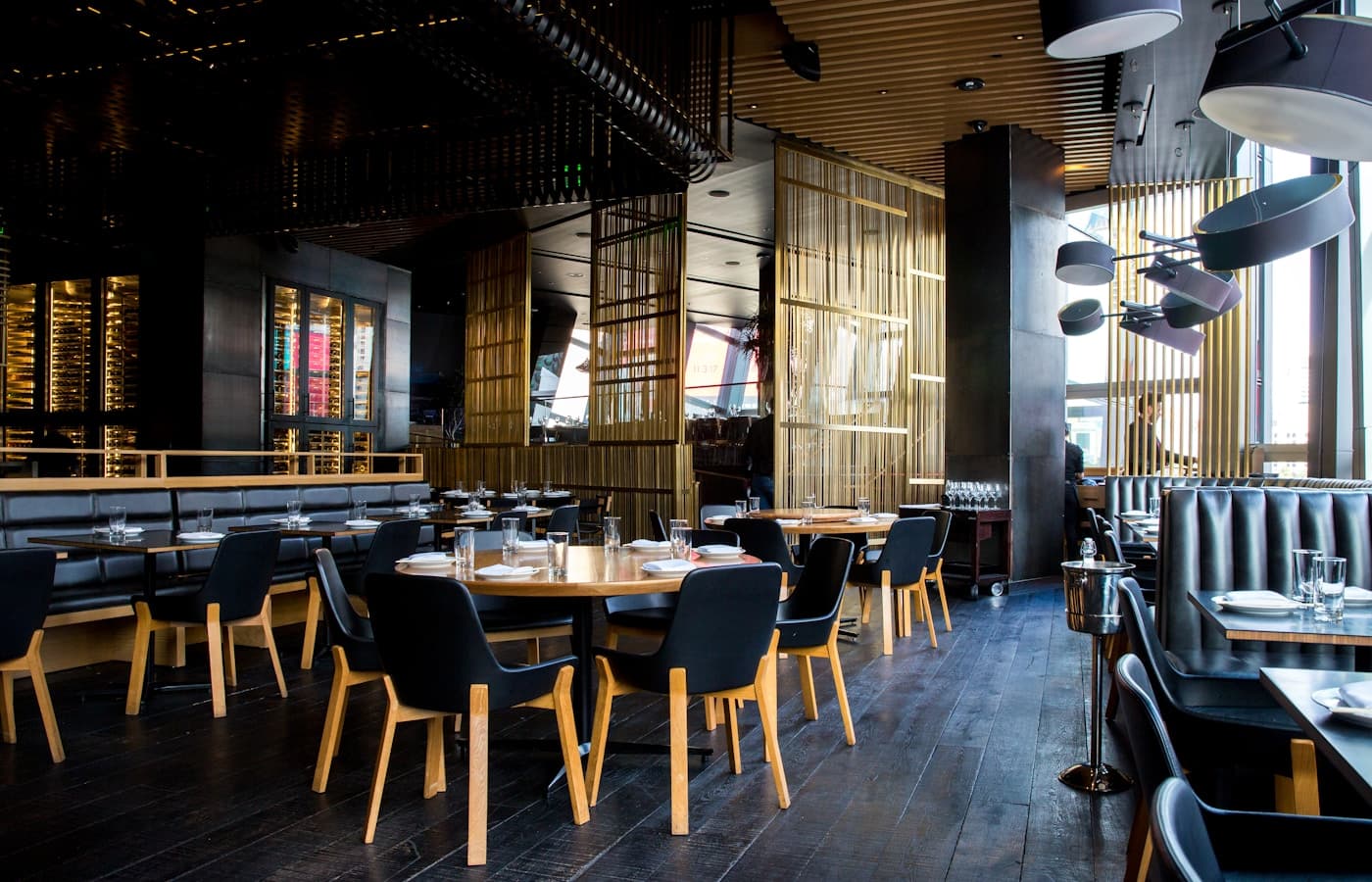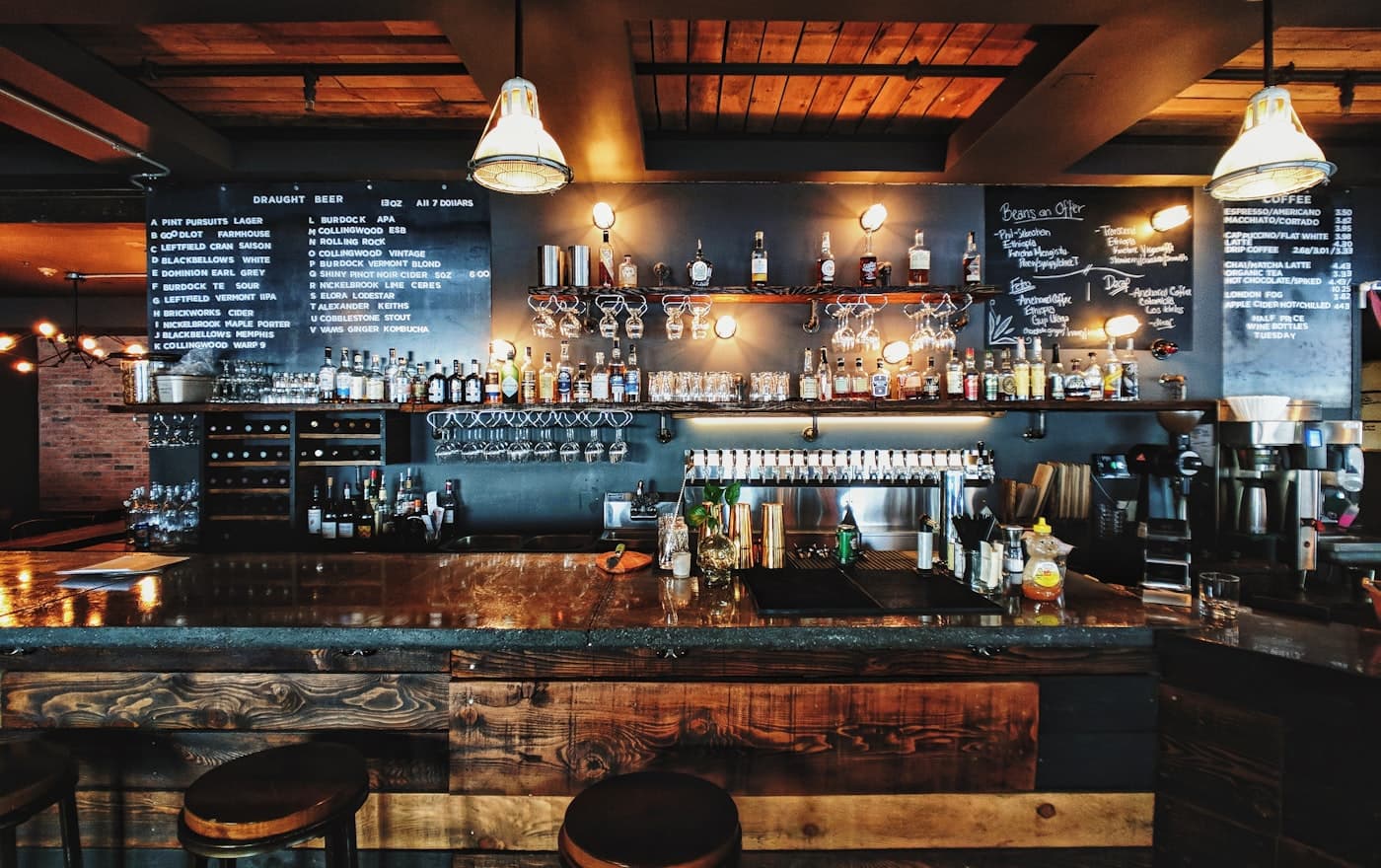
Restaurants · Hotels · Salons & Spas
Your kitchen shuts at nine. Your phone keeps taking bookings.
Mesa answers after close, does the work in your systems, and leaves you a fuller diary in the morning.
What it finishes
Calls that arrive when the building is empty end as bookings and tickets waiting for you in the morning.
The chain
Where the call goes, step by step.
Each step names the system it touches.
Step 1 of 5: Answers when nobody is in the building
Overnight, on your closed day, through the holiday you never staffed. The same greeting, the same rules, no message left for someone to action later.
Step 2 of 5: Knows what closed means here
Kitchen shut at nine, front desk unstaffed after eleven, Tuesday dark, last check-in at midnight. It quotes the next slot it can actually honour rather than the next slot on a calendar.
Step 3 of 5: Does the job anyway
Books the table, room or chair in your diary or PMS. Takes the deposit. Captures tomorrow's order so it is on the pass before your first coffee.
Step 4 of 5: Escalates the ones that need a person
A guest locked out of a room, a duty manager call, anything outside the workflow. Your on-call rota decides who gets woken and everything else waits for morning.
Step 5 of 5: Leaves you the morning list
Every overnight call on one screen with transcript, recording, outcome and cost. You read it with your first coffee rather than reconstructing it from three voicemails.
Inside the workflow
The three parts operators ask about.
Hours that match the building
Trading, kitchen, desk hours and blackout dates are separate settings. Christmas Day is not a wet Tuesday.
It wakes the right person
An on-call rota with rules about what qualifies. An emergency reaches a human in seconds. A booking enquiry does not.
Direct bookings you keep
A call answered at midnight is a direct booking. The same guest ten minutes later carries a commission.
What we will measure
The scoreboard, published before the score.
What this workflow reports from week one, and what each figure will be counted against.
Bookings and orders taken outside your opening hours.
Overnight calls that reached a person against those that resolved on their own.
Voicemails left, which should trend towards zero.
Direct bookings taken after hours, tracked against your channel mix.
False escalations, so the wake-up rules can be tightened.
The research
Numbers you can check.
None of these are ours. Every figure links to the study it came from.
40%
of hotel calls go unanswered
Front desk is the second-hardest role in the building to fill.
15–30%
commission on an OTA booking
An after-hours call answered is a direct booking kept. That is the whole hotel argument.
58%
of calls go unanswered
While 63% of people still prefer the phone to reach a venue.
65%
of hotels report staffing shortages
Front desk is the second-hardest role to fill, at 26%.
Questions
What operators ask.
Should I really let it book while I am closed?
That is your call and it is a setting. Some venues take everything overnight, some take enquiries only and confirm in the morning, and both are configured the same way.
What counts as an emergency worth waking someone for?
You define it. Most hotels escalate anything to do with a guest in the building tonight and let everything else queue for the morning list.
Do I pay for a night when nobody calls?
You pay a flat monthly price per location, so a quiet Tuesday and a hammered Saturday cost the same. No per-minute meter, and no reason to hope the phone stays quiet.
Hear it answer your phone.
Twenty minutes. We bring up a workflow on your menu or your rooms, call it together, and you decide whether it is any good.