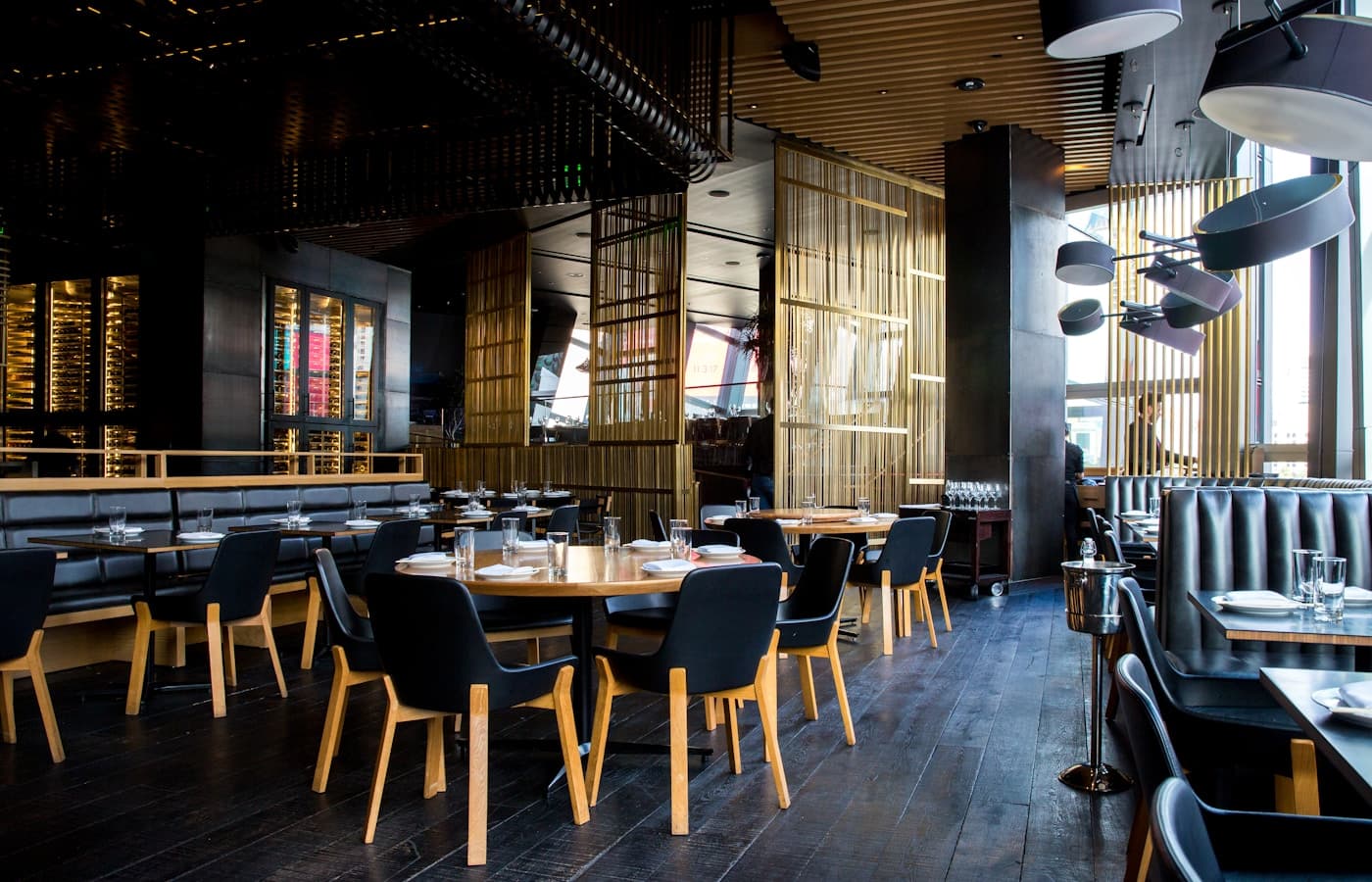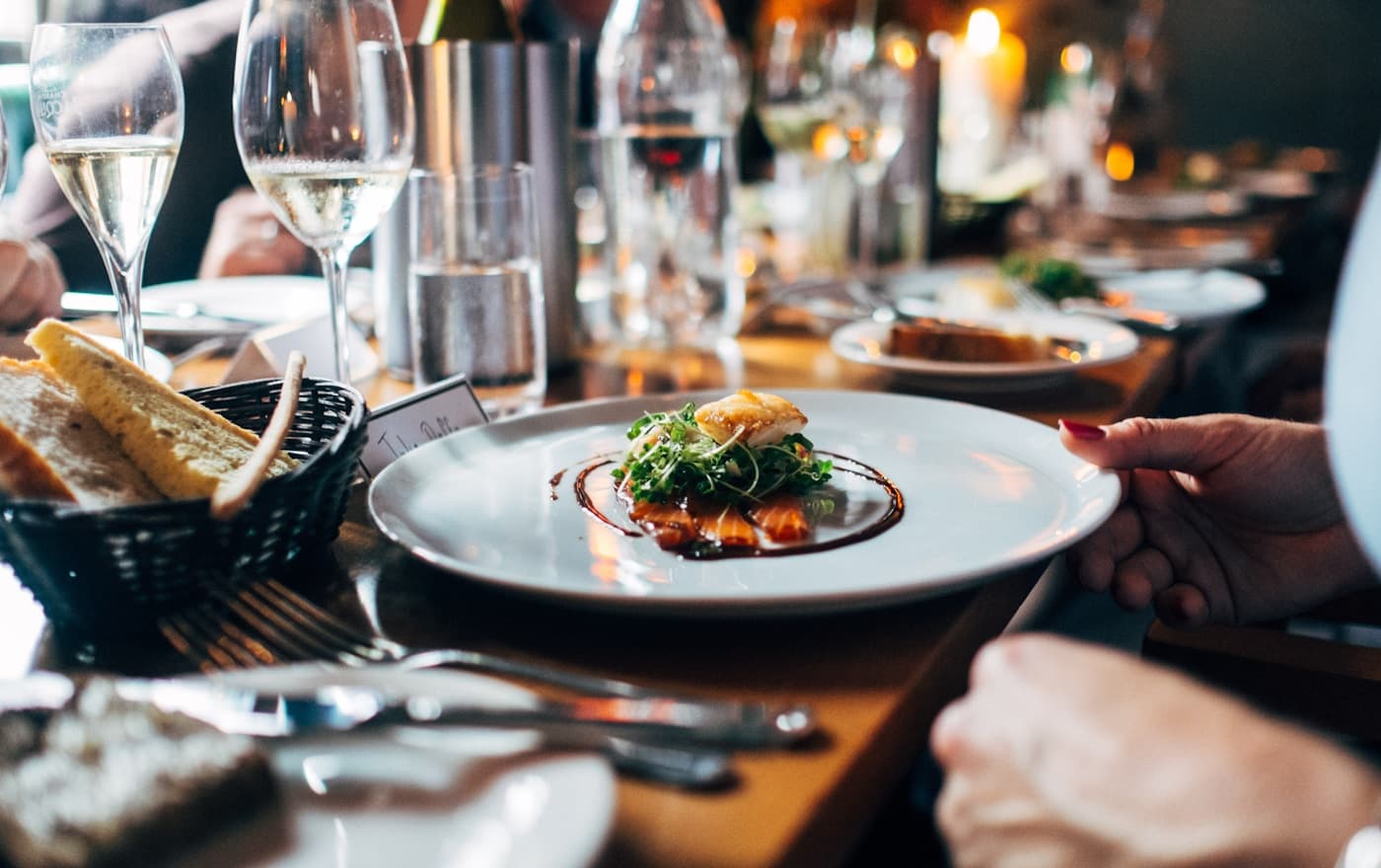
Restaurants · Hotels · Salons & Spas
A booking taken is a booking held.
Mesa checks live availability, holds the table, room or chair, and texts the confirmation.
What it finishes
Covers in your diary, rooms in your PMS and chairs in the right column, all confirmed before the call ends.
The chain
Where the call goes, step by step.
Each step names the system it touches.
Step 1 of 5: Asks the four things that decide a booking
Party size, date, time and name. Room type, nights and guests. Service, stylist and how long the chair is held. Whichever set applies to your venue.
Step 2 of 5: Checks live availability
Reads your actual diary or PMS: SevenRooms, Resy and Tock on the restaurant side, Apaleo, Mews, Cloudbeds and Oracle OPERA on the hotel side. It quotes a slot it can honour rather than a slot it hopes exists.
Step 3 of 5: Holds it in your system
The booking is written with the guest's name, phone and notes attached, tagged as a phone booking so you can see the channel later. Your floor plan and your stay rules apply exactly as they do when your team books it.
Step 4 of 5: Takes the deposit where you take one
Through your existing payment provider, on the call, with the terms read out. Deposits are the strongest single lever anyone has found against a no-show.
Step 5 of 5: Confirms in writing
The guest gets a text with the booking on it and a way to change or cancel. A cancellation that arrives early is a slot you can still sell.
Inside the workflow
The three parts operators ask about.
Availability you can trust
It reads your diary, not a copy, so two calls cannot take the same table. Full means full.
Deposits and card holds
Set per service, per day part or per party size. A Saturday eight-top can carry one when a Tuesday two-top does not.
The whole booking, not the slot
High chair, allergy, birthday, preferred stylist. Notes land on the booking so your floor reads them first.
What we will measure
The scoreboard, published before the score.
What this workflow reports from week one, and what each figure will be counted against.
Share of booking calls that end with a confirmed booking.
Double-bookings created by the workflow, which should read zero every week.
No-show rate on phone bookings with a deposit against those without.
Covers booked outside your service hours.
Time from call answered to confirmation sent.
The research
Numbers you can check.
None of these are ours. Every figure links to the study it came from.
2.33%
average restaurant no-show rate
Busier venues run 3.17%. The widely-quoted 30% figure is a misreading of a different question.
58%
of calls go unanswered
While 63% of people still prefer the phone to reach a venue.
40%
of hotel calls go unanswered
Front desk is the second-hardest role in the building to fill.
15–30%
commission on an OTA booking
An after-hours call answered is a direct booking kept. That is the whole hotel argument.
Questions
What operators ask.
Does it know the corner booth seats six?
It knows whatever your diary knows. Table sizes, joins, turn times and pacing rules come from your booking system, so the phone books the way your host books.
What about a booking my diary says is full but I would squeeze in?
It offers to take the details and pass them to you rather than promising a table it cannot see. You keep the judgment call, which is the right place for it.
Which diaries does it write to?
SevenRooms, Resy and Tock through their partner programmes. Apaleo, Mews and Cloudbeds directly. OpenTable keeps its API closed to individual restaurants, so we work alongside it and say so up front.
Hear it answer your phone.
Twenty minutes. We bring up a workflow on your menu or your rooms, call it together, and you decide whether it is any good.