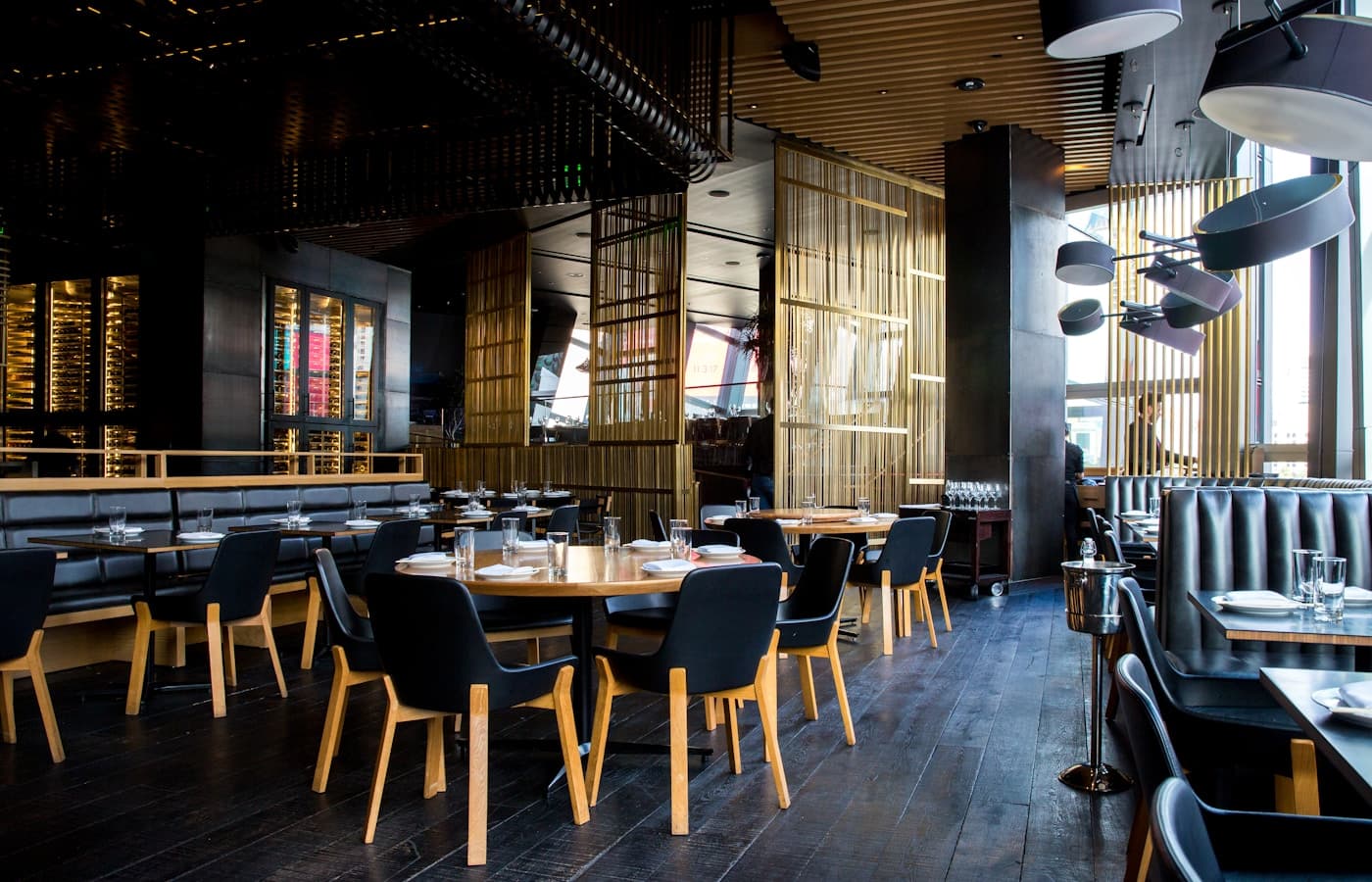
Restaurants
The phone rings at seven. The ticket prints at seven-oh-two.
Mesa takes the order, prices it on your live menu, and sends a ticket to the pass.
What it finishes
Every call ends as a priced ticket in your POS, with the caller's name and number on it.
The chain
Where the call goes, step by step.
Each step names the system it touches.
Step 1 of 5: Picks up on the first ring
Eleven calls at once during a Friday rush, each one answered. Your handset stops being a queue and your host stops apologising.
Step 2 of 5: Reads your live menu
Items, modifiers, prices and today's 86 list come straight from HaloPOS, Square or Clover. If the special sold out at six, the phone stops selling it at six.
Step 3 of 5: Takes the order and the detail with it
Modifiers, allergies, pickup time, the name to call out when it is ready. It reads the whole order back before anything is sent.
Step 4 of 5: Writes the ticket into your POS
The order lands as a real ticket, priced, routed to the right printer, with the customer's name and phone attached. Payment goes through the provider you already use, so card data follows the path it always did.
Step 5 of 5: Texts the confirmation
The caller gets what they ordered, what it costs and when it will be ready. A mistake surfaces on the phone rather than at the counter.
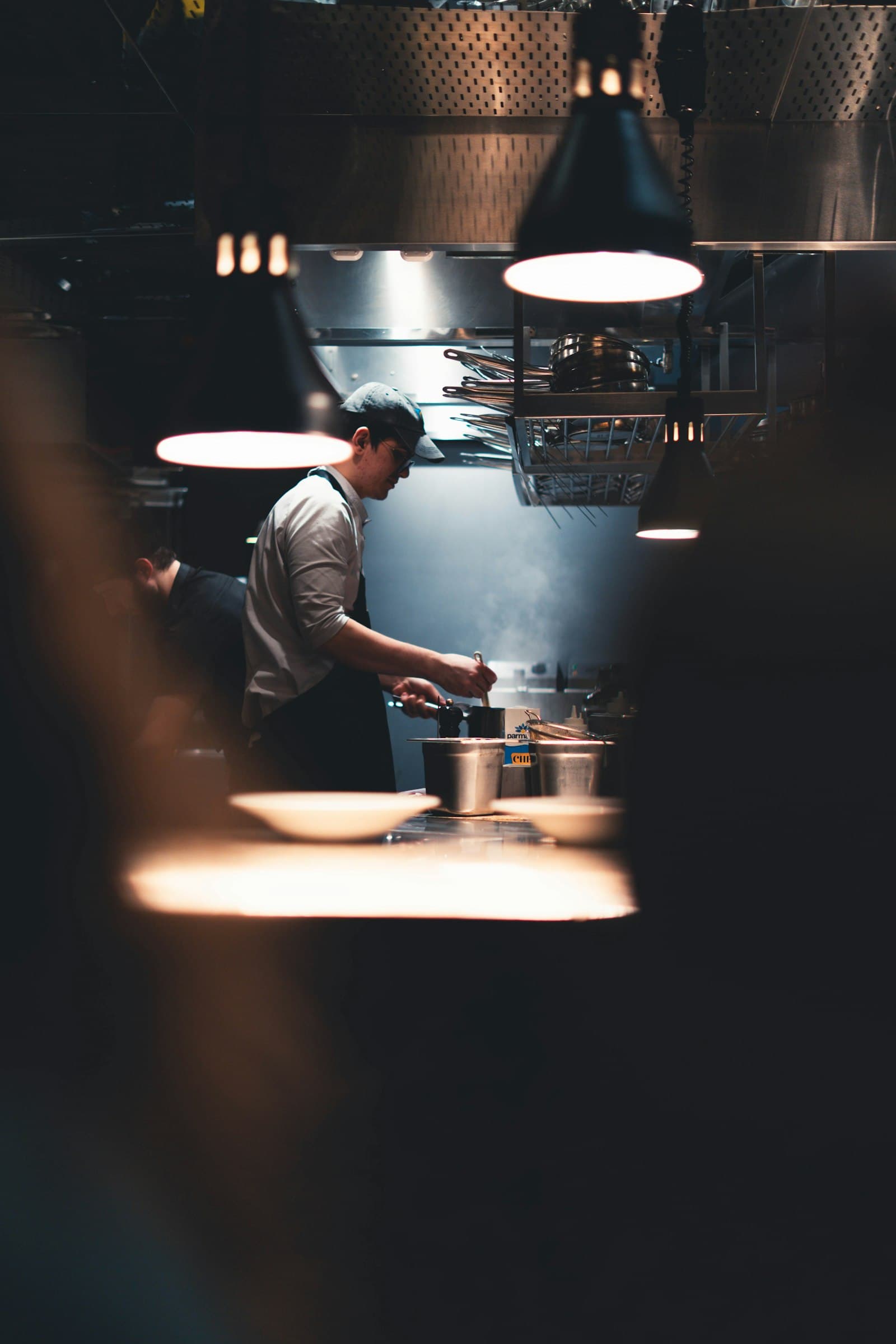
Inside the workflow
The three parts operators ask about.
A menu that cannot go stale
Your POS is the source of truth. Change a price at four and the phone quotes it at four-oh-one.
The upsell always gets asked
A person holding three plates forgets. Mesa asks every time, in your words, and takes no the first time.
Handover built into the flow
Large orders, disputes and anything outside the workflow go to a person with the conversation attached.
What we will measure
The scoreboard, published before the score.
What this workflow reports from week one, and what each figure will be counted against.
Share of inbound calls that end as a ticket without a person touching it.
Ticket accuracy against what reached the pass, sampled weekly from recordings.
Average phone order value before Mesa and after.
Attach rate on the upsell prompt.
Calls handed to a person, and the reason logged on each one.
The research
Numbers you can check.
None of these are ours. Every figure links to the study it came from.
58%
of calls go unanswered
While 63% of people still prefer the phone to reach a venue.
40.1%
of inbound calls missed at quick-service venues
Full-service holds average 73 seconds before anyone picks up.
26%
of revenue still arrives by phone
Against 41% digital and 32% on-premise.
28.6%
of pizza callers get offered anything extra by a human
Sell the consistency, not a magic uplift number.
Questions
What operators ask.
Does it handle modifiers and allergies?
Yes, both come off your POS menu structure, so a modifier the till knows about is a modifier the phone knows about. Allergies are read back to the caller and attached to the ticket where your kitchen already looks for them.
What if the caller changes their mind halfway through?
It edits the order in place and reads it back again. Nothing is written to your POS until the caller has confirmed the whole thing.
Do I need a new POS?
No. HaloPOS is the deepest connection and the one we built first, and Square and Clover connect on self-serve APIs. Toast and Lightspeed sit behind partner certification, and we tell you which side of that line you are on in the first call.
Hear it answer your phone.
Twenty minutes. We bring up a workflow on your menu or your rooms, call it together, and you decide whether it is any good.